Why Your Child's Swim Lessons Might Be Failing Them
We’ve all been there. You’re scrolling through local parenting groups, looking for that one activity that checks all the boxes: safety, fun, and peace of mind.
You land on a swim program, see a monthly membership fee that fits the budget, and think, “Well, thirty minutes a week is better than nothing, right?”
It’s a logical thought. It’s the "something is better than nothing" mindset. But in the world of survival and self-rescue swimming, that mindset might be the very thing keeping your child from actually being safe in the water.
The swim industry is currently supersaturated with programs that prioritize business models over water safety. Big franchises have mastered the art of the subscription by offering long, group-based lessons that feel like a bargain on paper but often deliver minimal results in the pool.
Here is the reality check every parent needs before they sign that next enrollment form.
The "30-Minute" Illusion
When you see a program offering 30-minute group lessons, it sounds substantial. But let’s look at the math. In a group setting, your child isn't getting 30 minutes of instruction. They are splitting that time with other kids, waiting for their turn, and dealing with the distractions of a class environment.
When it comes to learning life-saving self-rescue skills, those fragmented minutes are inefficient. You aren't paying for 30 minutes of skill acquisition; you’re paying for 30 minutes of "water time."
Why Group Lessons Are for Maintenance, Not Acquisition
There is a time and place for group lessons: after your child has mastered the core skills of survival and self-rescue. Once they can effectively float, roll over, and swim to safety, group lessons are fantastic for maintenance and socialization.
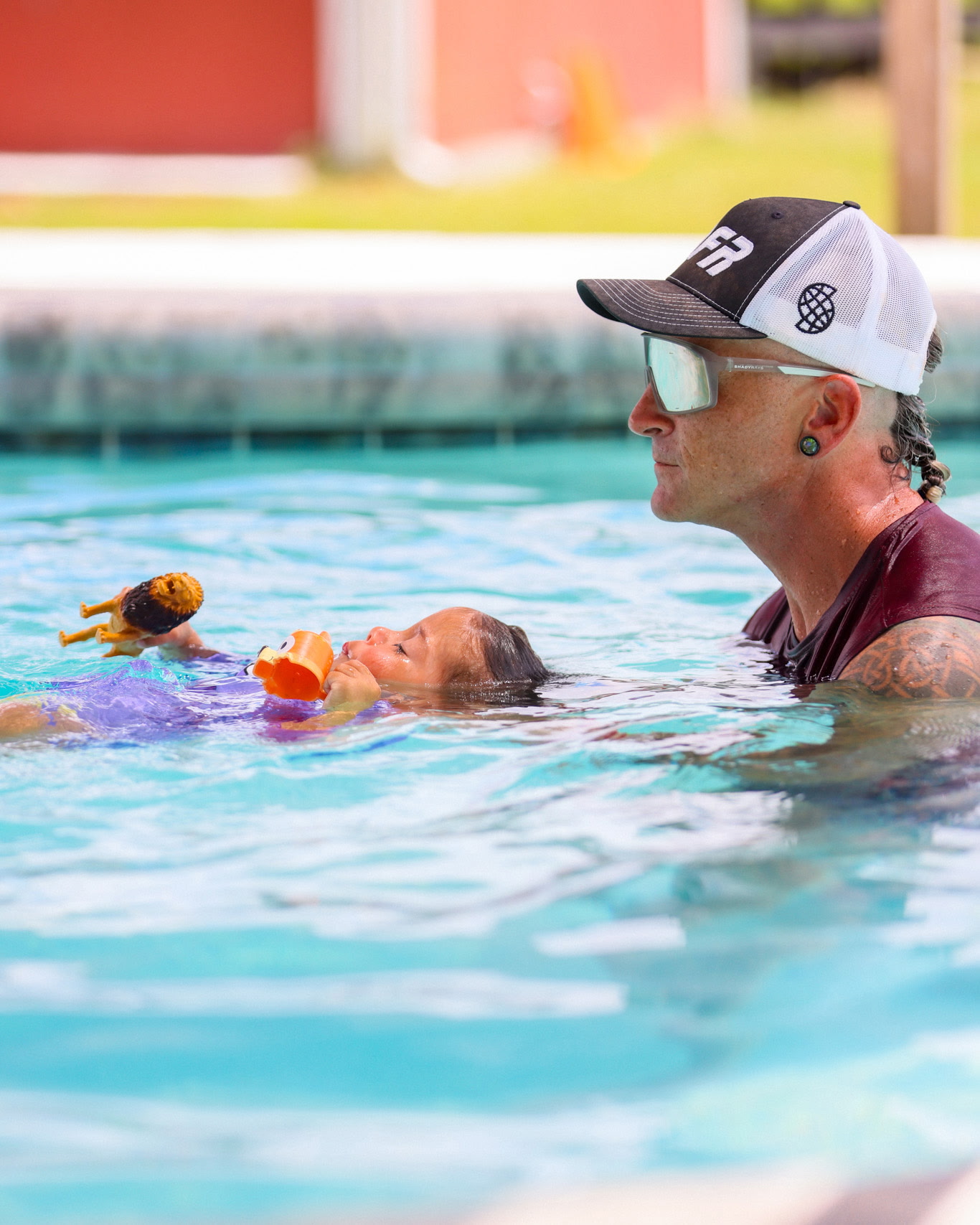
But for the beginning process? Group lessons are a mismatch. Learning to save your own life in the water requires high-frequency, short-duration, one-on-one repetitions. It requires a teacher who is focused entirely on your child’s motor learning, not managing a class of four or five.
The "Total Cost" Reality
Parents often avoid private, intensive lessons because the upfront price tag looks higher than a monthly subscription. But consider the "Total Cost to Safety."
If you spend $200 a month on group lessons for a year, you’ve spent $2,400. If your child still can’t swim effectively after that year, you haven’t just lost money—you’ve lost time. You’ve spent a year in a false sense of security.
The most effective, and often cheapest, route is to find a program that prioritizes rapid skill acquisition through 1:1 instruction. You want your child to have the skills sooner, not later.
How to Vet Your Next Program
You are the consumer, and you have the right to demand accountability. Before you sign up for any program, ask these questions. If they can’t give you clear, direct answers, keep looking:
- What are the concrete skill outcomes?(Don't accept "they'll get comfortable." Ask for specific milestones like independent floating or rolling over.)
- What is the expected time-to-skill? (A good program should be able to give you a realistic range of how long it takes to reach proficiency.)
- Is this 1:1 or group instruction? (If it’s group, ask how many active minutes of instruction your child actually receives.)
- How do you measure progress? (How will I know when my child is ready to move from acquisition to maintenance?)
Change the Mindset
It’s time to stop settling for "something is better than nothing." Your child’s safety is too important to be left to a marketing scheme. By shifting your focus from "monthly fees" to "outcome-first," you aren't just buying lessons, you’re buying the skills that could save a life.
Don't let the industry's business model dictate your child's safety. Ask the hard questions, demand results, and choose the path that actually gets them there.
